
Unity and Alignment in Both Growing and Established Businesses
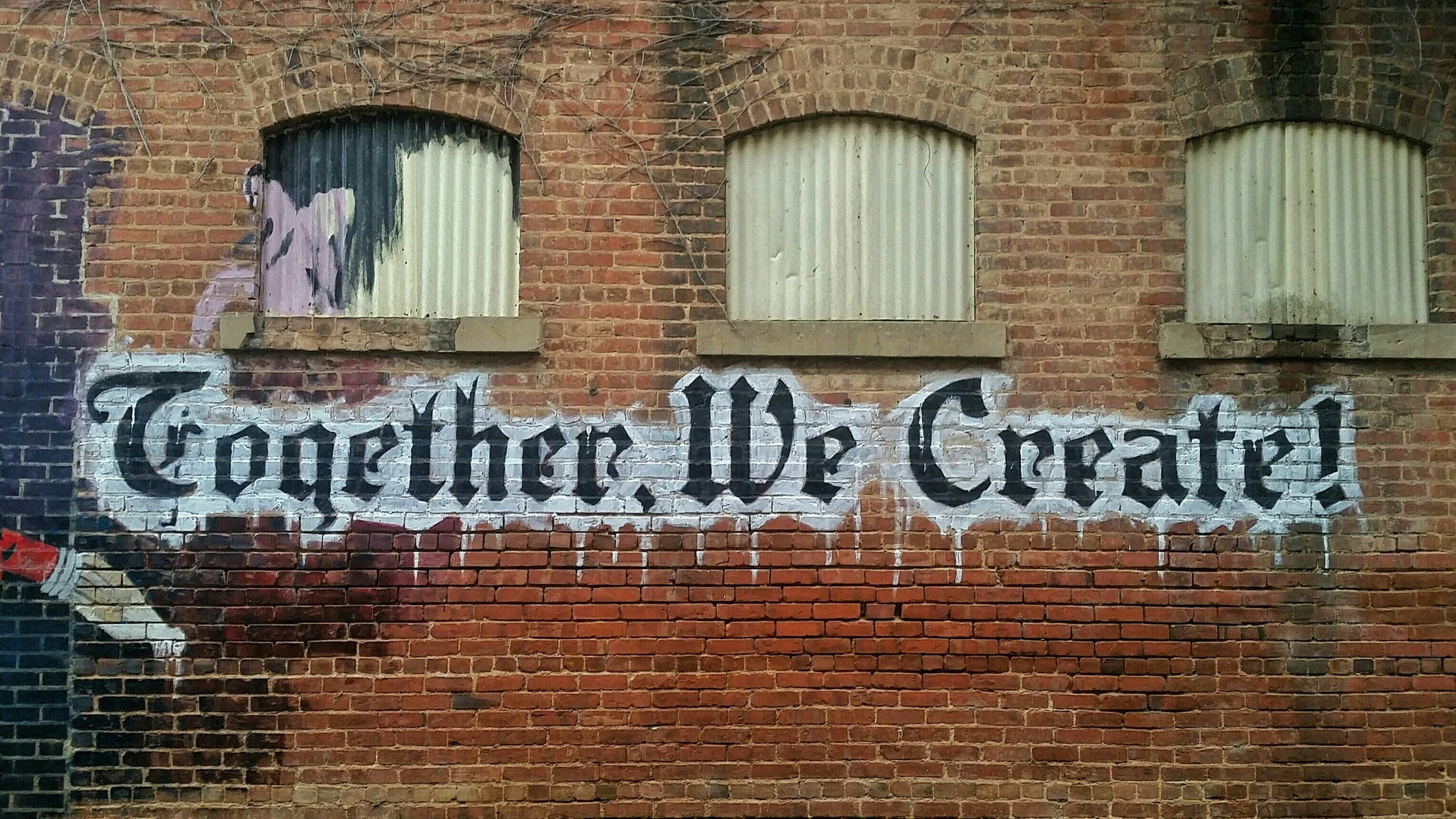
Photo by "My Life Through A Lens" on Unsplash
As I continue to reflect on topics that I consider critical for businesses to understand but are often overlooked by busy teams focussing on the destination and assuming the journey will take care of itself, this area recently came up in a conversation with a colleague. I have therefore picked up my virtual pen again and put together some short observations which I hope will be at worst an acknowledgement, at best insightful.
Navigating Team Dynamics: Cultivating Unity and Alignment in Both Growing and Established Businesses
The Evolving Challenge of Team Dynamics
In the ever-evolving landscape of business, one constant challenge remains: the propensity of teams to diverge and compete, leading to a detrimental blame culture. From earliest stage to long-established, all companies evolve and no matter what stage a company is at in its growth story, it is likely to grapple at some point with this challenge, which can significantly impede productivity and morale. In this article, I want to delve into the intricacies of this all too often unacknowledged issue, offering insights into recognising warning signs and implementing strategies to enable a more cohesive and effective team environment.
Recognising the Signs of Divergence and Competition
As companies expand, the initial camaraderie and unity can often give way to departmental silos. These divisions, while sometimes subtle, can manifest in various forms such as reduced inter-departmental communication, a noticeable increase in blame during setbacks, and a general atmosphere of competitiveness over collaboration. In new businesses, these signs may be more pronounced as teams rapidly evolve without established communication channels.
The Impact of Disconnect in Team Dynamics
The consequences of such disconnects are far-reaching. Teams, once aligned in their goals, may find themselves at odds, prioritising departmental success over the company's collective objectives. This not only stifles innovation but also erodes trust, and without trust you don’t really have the true makings of a team. “A team is not a group of people who work together. It is a group of people who trust each other.” — Simon Sinek on X. An absence of effective communication can also result in frequent misalignments that ultimately reduce efficiency and create unnecessary anxiety for team members.
Strategies for Realigning Teams
Prioritising Communication and Transparency: Central to addressing these challenges is the development of a robust communication framework. This involves regular inter-departmental meetings, transparent sharing of goals, and an open-door policy that encourages dialogue across all levels. When team members understand what their colleagues’ working day looks like, a higher level of empathy and appreciation can evolve, meaning there is a better chance of understanding over blaming if, for example, a delivery deadline slips.
Cultivating a Culture of Mutual Respect: Reinforcing a culture where every team member's contribution is valued can mitigate the tendency towards blame and competition. This culture is rooted in acknowledging diverse perspectives and fostering an environment of mutual respect.
Leadership's Role in Bridging Gaps: Leaders play a pivotal role in this transformation. By exemplifying values of inclusivity and collaboration, leaders can set the tone for the entire organisation. It’s about leading by example, where the leadership not only preaches but also practices these principles.
Leveraging Technology for Better Collaboration: In today’s digital age, a variety of tools are available to enhance collaboration. Working with these tools can bridge geographical and departmental divides, ensuring a more integrated team dynamic, whether they be Project Management tools which promote sharing of boards or CRM tools, providing collaborative transparency for client interactions.
The Path Forward
In conclusion, the journey towards a unified, effective team structure in both new and established businesses is continuous and evolving. It requires an awareness and vigilant approach to recognising signs of disconnect, the earlier the better, coupled with a constant proactive and intentional strategy to create and maintain an environment of open communication and respect. As we navigate these challenges, it's crucial to remember that the strength of a company lies in the collective spirit of its teams, united in purpose and direction.
As always, comments and thoughts are welcome. Thanks for making it to the end!